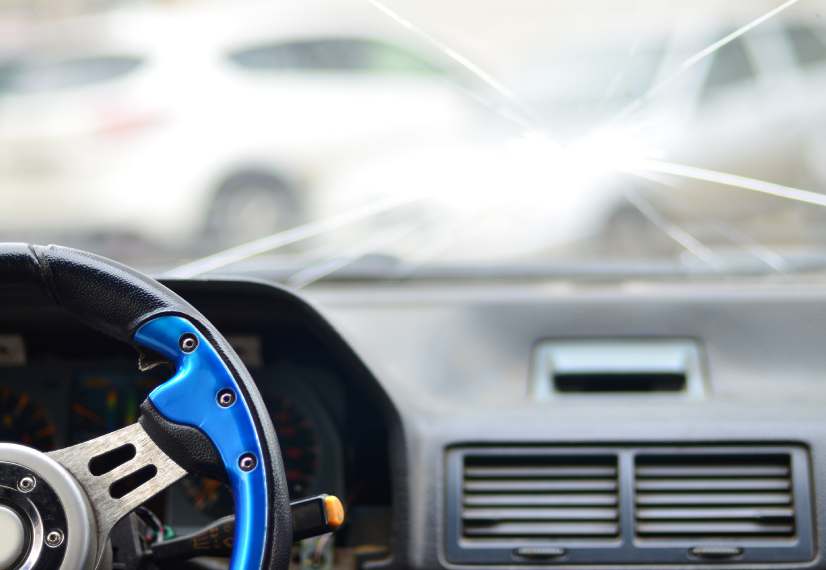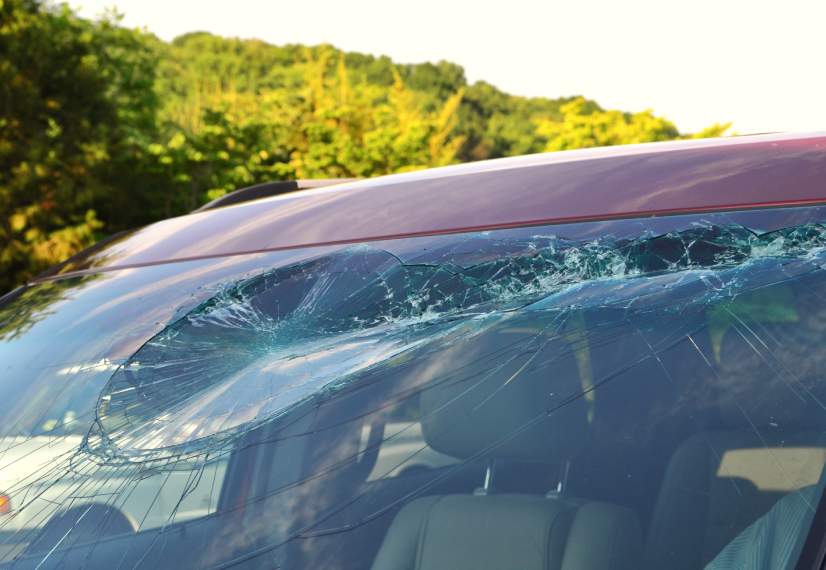
Your windshield quote came back with two prices, one for OEM glass and one for aftermarket, and the cheaper option is tempting. But on most cars built in the last several years, the windshield holds the camera behind automatic emergency braking and lane-keeping. That choice is about more than price.
Our technicians answer this question every week across Massachusetts. This guide explains the difference in plain terms, what independent research found, what state insurance rules say, and how to decide for your vehicle. If you already know you need new glass, you can request a replacement quote anytime.
OEM, OEE and Aftermarket Glass: What the Terms Mean
All three types are laminated safety glass, and all legal replacement windshields sold in the U.S. must meet the same federal glazing standard (FMVSS 205, which adopts ANSI Z26.1). The differences come down to who made the part and how closely it matches the original.
- OEM (original equipment manufacturer) glass is made by the same supplier that built your factory windshield, to the automaker’s spec. It is the closest match in shape, tint, coatings, and camera bracket position.
- A major glass manufacturer often makes OEE (original equipment equivalent) glass for the replacement market. It is designed to match OEM fit and features, and quality is generally high.
- Aftermarket glass is made by a third-party manufacturer that reverse-engineers the part. It costs less, but quality varies by brand and by vehicle.
The real distinction is consistency. A windshield can look identical and still differ slightly in curvature, thickness, optical clarity in the camera zone, or where the camera bracket is bonded. On an older car without driver-assist features, those small differences rarely matter. On a car with a windshield-mounted camera, they can.
Why Glass Choice Matters for ADAS Cameras
Advanced driver assistance systems (ADAS) such as automatic emergency braking, lane-departure warning, lane-keeping assist, and adaptive cruise control often rely on a camera mounted behind the windshield near the rearview mirror. That camera looks through a small “optical zone” of the glass to read lane lines, vehicles, and pedestrians.
Three things about the replacement glass affect what that camera sees:
- Bracket position. The camera clips into a bracket bonded to the glass. If the bracket sits even slightly off, the camera’s aim shifts.
- Optical quality. Distortion or haze in the camera zone can blur lane markings.
- Mounting angle. The windshield’s curvature and how it sits in the frame set the camera’s pitch.
This is why most automakers require ADAS calibration after a windshield replacement, no matter which glass is used. Calibration re-teaches the camera where “straight ahead” is. Our in-house windshield calibration service includes this as part of the replacement, so you don’t need a separate dealer visit. Some vehicles also use the windshield for rain sensors, heated wiper zones, or head-up displays, which need the matching glass features to work.
What Independent Research Found
The Insurance Institute for Highway Safety (IIHS) tested OEM and aftermarket replacement windshields on late-model Honda Civics. Its chemical and optical tests found the aftermarket glass itself performed much like OEM glass. The problem was elsewhere: one aftermarket windshield had a camera bracket bonded about one degree off from the OEM position, and that was enough to affect both automatic braking and lane-departure warnings.
IIHS also intentionally misaligned cameras to measure the effect. A camera aimed just 0.6 degrees to the right misjudged lane lines by up to 27 inches. In an autobrake test at 25 mph, the same car started braking late and struck the target at about 20 mph instead of stopping.
Two lessons come out of that research:
- Quality aftermarket glass can work, but small manufacturing defects in the bracket can undermine your safety systems.
- Proper calibration, done to the automaker’s procedure, is essential with any glass. IIHS also found a dealership that skipped calibration steps, which caused its own errors.
In our experience, a few makes and models are more sensitive to glass variation than others. When a vehicle has a known history of calibration problems with non-OEM parts, we recommend OEM glass and explain why before any work begins.
What Massachusetts Insurance Rules Say About Glass
Massachusetts has specific regulations that shape your glass claim. Here is what drivers most often ask us about.
Repair comes before replacement. Under 211 CMR 133.04, glass damage must be repaired rather than replaced when it sits outside the critical viewing area (the driver’s wiper sweep, minus its outer two inches), is minor (a crack under six inches, or a chip under one inch), and the repair will not affect safety. Damage inside the driver’s view or larger than those limits generally qualifies for replacement.
Insurers may specify aftermarket parts. The same regulation lets insurers specify aftermarket parts of “like kind and quality,” with exceptions such as when operational safety could be impaired, or the vehicle has 20,000 miles or fewer. The insurer must name the part and its source on the appraisal. Massachusetts’ separate OEM-disclosure law covers exterior crash parts, not glass.
You choose the shop. Under 211 CMR 135.00, your insurer cannot require you to use a different registered glass shop than the one you picked.
Check your deductible. Since 2008, insurers can set their own glass deductibles, so zero-cost replacement depends on your policy. Our team works directly with carriers; see our auto insurance glass coverage page for details. Leased vehicles may also require OEM glass at lease return, so check your lease terms.
How to Choose the Right Windshield for Your Vehicle
There is no single right answer for every car. Use these questions to guide the decision:
- Does your vehicle have a windshield camera? If you have lane-keeping, automatic braking, or adaptive cruise, plan on calibration and ask whether OEM glass is recommended for your model.
- Is the vehicle leased or under 20,000 miles? Both can favor OEM glass. Check your lease and ask your insurer.
- Does it have special glass features? Head-up displays, acoustic glass, heated zones, and rain sensors need matching parts.
- Is it an older vehicle without ADAS? A quality OEE or aftermarket windshield is often a sound, lower-cost choice.
- Will the shop follow a recognized standard? Ask whether installers follow the AGRSS auto glass replacement safety standard and use the right urethane and cure time.
Whichever glass goes in, the installation and calibration matter as much as the part. We return every vehicle we finish meeting or exceeding the original manufacturer’s specifications, and our technicians walk you through the glass options before work starts. Learn more about our glass repair and replacement service, or read 7 Signs Worcester Drivers Shouldn’t Ignore When It Comes to Windshield Damage and Is It Safe to Drive With a Cracked Windshield in Massachusetts? if you are unsure whether you need replacement at all.
The Bottom Line
If your vehicle has no driver-assist camera, a quality OEM or aftermarket windshield is usually a smart, lower-cost choice. Suppose it does; both the glass and the calibration matter. OEM glass is often worth asking for on models with known calibration issues, leased vehicles, and cars under 20,000 miles.
Auto Glass Specialists & Calibrations provides mobile windshield replacement across Worcester and the surrounding area from our Auburn, MA shop, with in-house ADAS calibration. Get an instant quote, find a shop on our locations page, or call 877-776-4527.
FAQs
Is aftermarket windshield glass safe?
Yes, when it is a quality part installed correctly. All replacement windshields must meet the same federal safety glazing standard. The bigger risk on ADAS vehicles is bracket placement and skipped calibration, not the glass itself.
Do I need ADAS calibration with an OEM windshield too?
Yes. Most automakers require calibration after any windshield replacement because removing and reinstalling the camera can change its aim. OEM glass does not remove that step.
Can I ask my insurer for OEM glass in Massachusetts?
You can ask, and approval depends on your policy and vehicle. Insurers may specify aftermarket parts of like kind and quality, but exceptions apply when safety could be affected. We can help document why OEM is recommended for your model.
Can my insurance company make me use their glass shop?
No. Massachusetts Regulation 211 CMR 135.00 bars insurers from requiring you to use a different registered glass shop than the one you choose.
How long does windshield replacement and calibration take?
Most jobs take a few hours, including adhesive cure time and calibration. Your technician will give you a safe drive-away time before you leave. More answers are on our FAQs page.
Sources
- 211 CMR 133.04: Determination of Damage and Cost of Repair (Massachusetts Division of Insurance, via Justia)
- 211 CMR 135.00: Requirements Regarding Referrals to Motor Vehicle Glass Repair Shops (Mass.gov)
- IIHS research shows risk of uncalibrated front-facing cameras (Repairer Driven News)
- Tech Talk: Windshield replacements in the modern age (Collision Repair Magazine)
- What Insurance Agents Need to Know About OEM Glass Denials (Agency Checklists)
- Windshield Replacement in Massachusetts (CarInsurance.com)
- 49 CFR 571.205: Glazing Materials (FMVSS 205) (eCFR)
- ANSI/AGRSS Automotive Glass Replacement Safety Standard (ANSI Webstore)